How do you plan kidney-friendly meals?
Take the stress out of meal planning with easy tips for creating kidney-friendly, balanced meals that support both your health and your budget.

Meal planning is a great way to cut down on spending—and helps your overall health too. Use these tips to enjoy delicious, well-balanced, kidney-friendly meals with less stress!
What to know before you start planning
When you have kidney disease, it’s important to understand how to build a balanced meal. Aim to include non-starchy vegetables, lean proteins, and whole grains at each meal to get the nutrition you need and to feel satisfied!
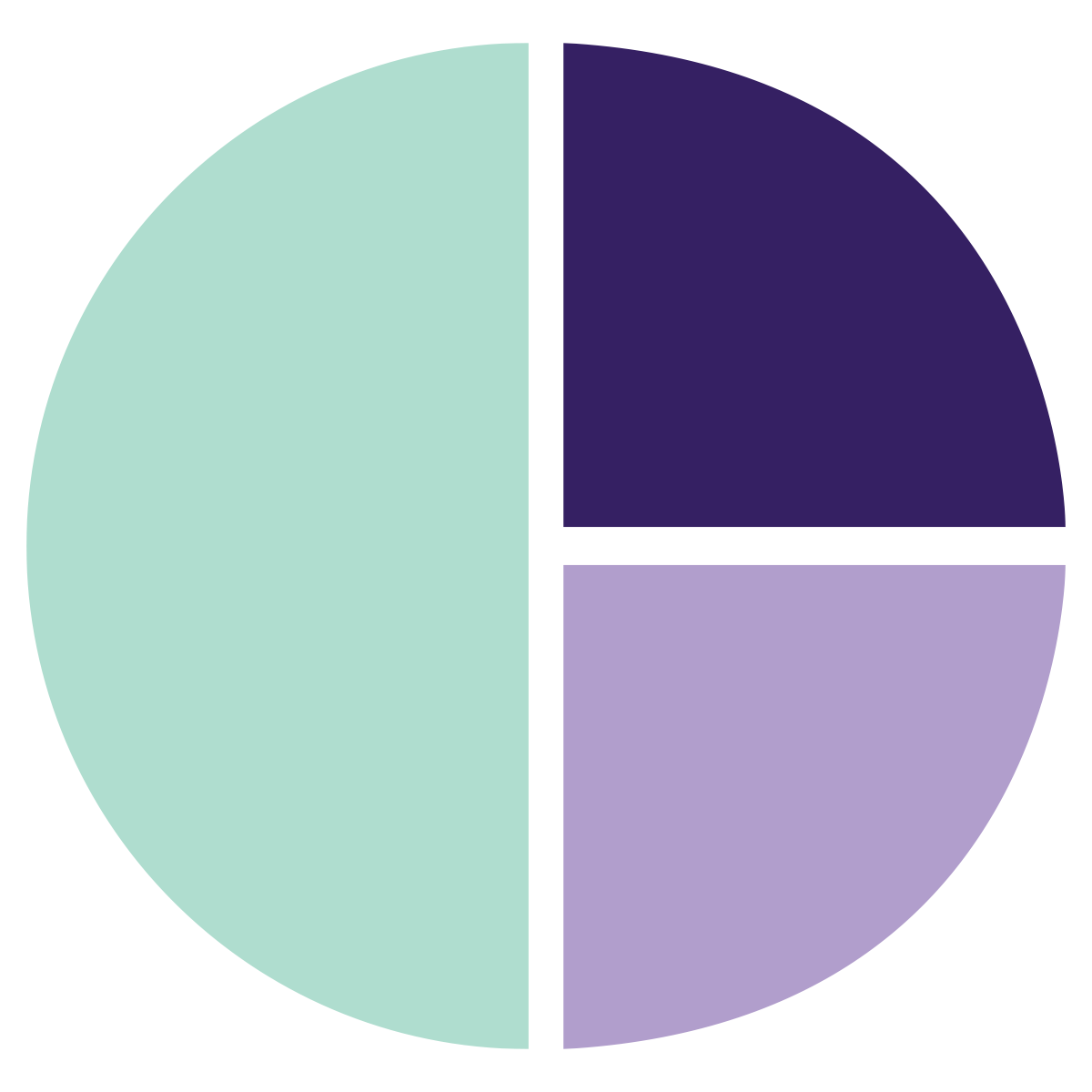
The MyPlate Method
The USDA’s MyPlate method can help you create a balanced meal with the right mix of nutrients. Using a 9-inch dinner plate, fill:
- ½ of your plate with vegetables and fruit.
- ¼ of your plate with lean protein such as poultry, fish, eggs, beans, or tofu.
- ¼ of your plate with starches and whole grains such as potatoes, brown rice, pasta, bread, or corn.
The Diabetes Plate Method
If you have diabetes, the Diabetes Plate Method can help you balance your blood sugar while creating a healthy meal. Using a 9-inch dinner plate, fill:
- ½ of your plate with non-starchy vegetables such as broccoli, cauliflower, green beans, or salad.
- ¼ of your plate with lean protein such as poultry, fish, eggs, beans, or tofu.
- ¼ of your plate with carbohydrate-rich foods such as fruit, whole grains, starchy vegetables, milk, or yogurt.
Meal planning tips
Once you build your meals, you can then create a list of ingredients you need for each meal. These tips can help make meal planning easier:
- Use the same ingredients for different meals. For example, cook stir fried chicken for dinner and use the leftover chicken in a salad the next day.
- Check what ingredients you already have before planning meals.
- Try batch cooking. Make grains like rice or oatmeal to use over multiple days or cook meals like soups and casseroles to freeze for later.
- Make meal planning fun by choosing a theme for each day such as Meatless Monday or Taco Tuesday.
Make your grocery list
A grocery list helps you stay organized and ensures you have everything you need for your meals.
- List ingredients by category. Group items together, such as fruits, vegetables, proteins, and grains. This makes shopping quicker and easier.
- Be specific. Write down the exact quantities you need. For example, instead of just “broccoli,” list “2 cups broccoli.”
- Check your meal plan. Refer to your meal plan to ensure you have all necessary ingredients for each recipe.
We are here to help
Talk to your dietitian for help with meal planning that will meet your nutritional goals.

Julie Dominguez, MD
Vice President, Medical Office, Interwell Health
Julie Dominguez, MD, is a nephrologist with extensive experience in private practice nephrology and medical education. At Interwell Health, she helps advance high-quality kidney care programs that support patients and clinicians. Dr. Dominguez earned her medical degree from the University of Texas Southwestern Medical Center, completed her Internal Medicine residency at Duke University, and completed her Nephrology fellowship at the University of California San Diego.